
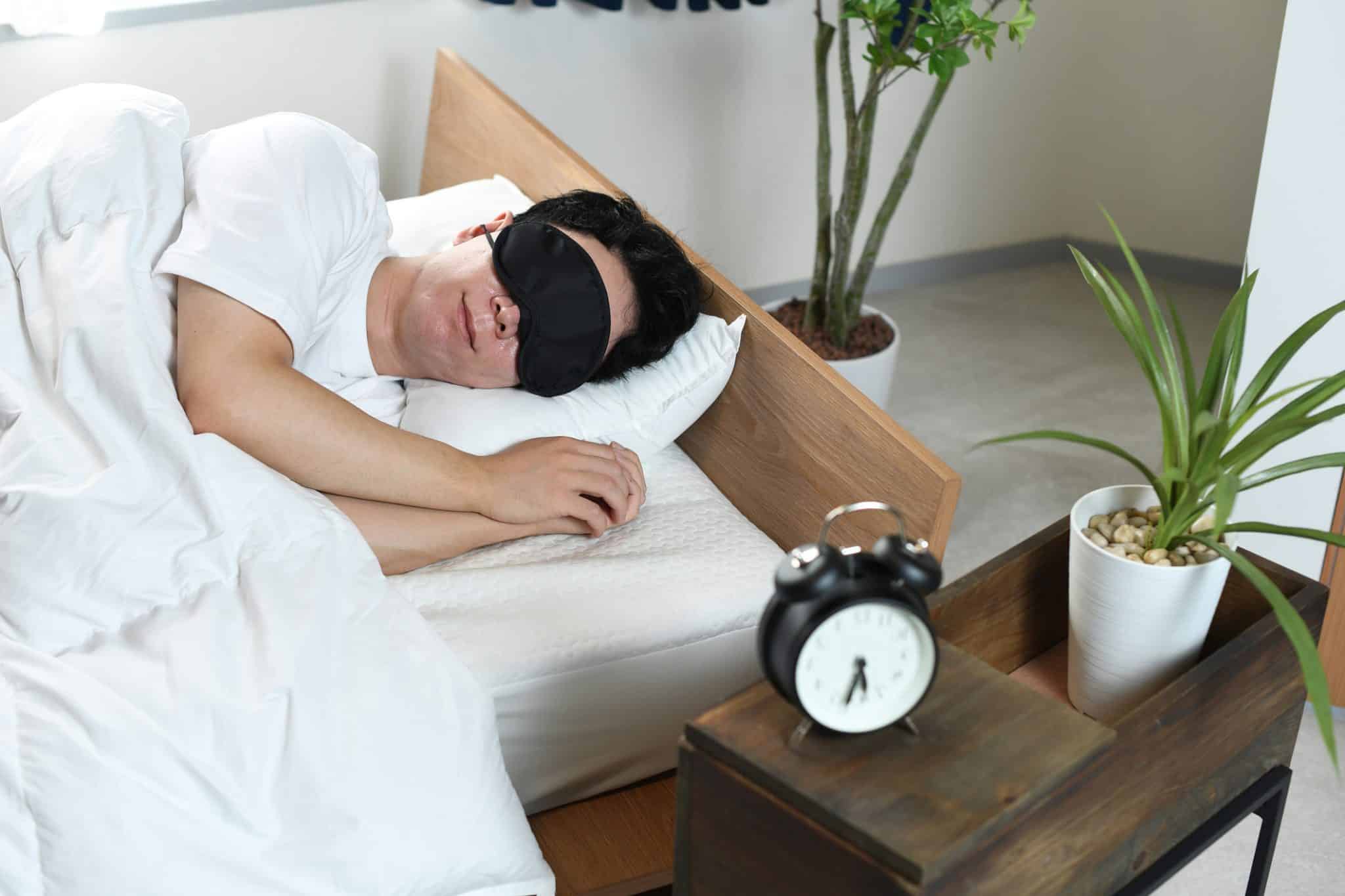
Sleep restores the body, calms the mind, and supports overall wellness. Eye comfort is often overlooked in nighttime routines, yet sleep and eye health are deeply connected. For people dealing with dry, irritated eyes, evenings can be the most uncomfortable part of the day. Burning, grittiness, blurry vision, or red eyes in the morning often trace back to what happens before and during sleep.
Nighttime dry eye relief starts with understanding why symptoms worsen after sunset and how simple habits can protect the tear film while you rest. Eye Clinic & Aesthetics of Provo has created the following guide, which explores causes, symptoms, practical bedtime routines, and advanced options available locally for patients seeking long-term comfort.
Beauty Sleep for Your Eyes: Nighttime Tips to Fight Dry Eye Syndrome
Understanding Dry Eye Syndrome
Healthy eyes rely on a stable tear film composed of water, oils, and mucus. This delicate balance keeps vision clear and the eye surface smooth. Problems arise when tear production drops, tear quality declines, or evaporation happens too quickly.
Each blink spreads tears across the cornea. When tears are insufficient or unstable, the cornea dries out, triggering irritation. Common sensations include stinging, burning, gritty discomfort, fluctuating vision, and sensitivity to light.
Aging, medications such as antihistamines and blood pressure drugs, hormonal changes, contact lens wear, LASIK surgery, and environmental factors all contribute to dry eye disease.
Why Dry Eyes Feel Worse at Night
Many patients report that symptoms build throughout the day and peak at bedtime. Several factors explain this pattern:
Daily tear depletion
Hours of screen use, reduced blinking, and exposure to dry indoor air slowly drain natural tear reserves.
Reduced tear production during sleep
As the body winds down, metabolism and circulation slow. Tear production decreases, leaving eyes vulnerable overnight.
Incomplete eyelid closure
Some people sleep with eyes partially open, a condition known as nocturnal lagophthalmos. This allows moisture to escape and exposes the cornea to air for hours.
Dry sleeping environments
Low humidity, heating systems, air conditioning, fans, or CPAP airflow can accelerate evaporation while sleeping.
Medication effects
Antidepressants, beta-blockers, antihistamines, and decongestants can reduce tear production and intensify nighttime dryness.
Symptoms of Nighttime Dry Eye
Signs that dry eye is affecting sleep and eye health include:
- Burning or gritty sensations upon waking
- Red, irritated eyes in the morning
- Blurred vision that clears after blinking
- Light sensitivity
- Excessive tearing as the eyes attempt to compensate
- Discomfort that interferes with falling or staying asleep
6 Bedtime Habits That Support Eye Comfort
Small changes in evening routines can make a meaningful difference:
1. Increase Humidity in the Bedroom
Dry indoor air is a common trigger for nighttime symptoms. A bedside humidifier helps maintain healthier moisture levels. Aim for humidity between 40 and 60 percent. In dry climates like Utah, this step is especially helpful and aligns well with dry eye Provo tips recommended by local eye doctors.
2. Use the Right Eye Drops at Night
Artificial tears replenish moisture, but not all drops are equal. Preservative-free formulas tend to be gentler and better suited for frequent use. Thicker gels or ointments provide longer-lasting coverage overnight. Vision may blur temporarily, so application works best right before sleep.
Always consult an eye care professional before starting new drops, particularly for moderate or severe symptoms.
3. Apply a Warm Compress
Blocked meibomian glands are a leading cause of dry eye. These glands release oils that slow tear evaporation. Warm compress therapy helps soften clogged oils and supports tear stability.
Dry eye masks, such as the Bruder Mask or I-Relief Mask, work well. Heat the mask in the microwave for about 20 to 25 seconds, then rest it over closed eyes for 8 to 10 minutes. After removal, blink firmly several times to stimulate oil flow. This routine fits perfectly into a nighttime wind-down ritual.
4. Gently Clean Eyelids Before Bed
Eyes collect dust, allergens, makeup residue, and bacteria throughout the day. This debris can clog oil glands and worsen dryness overnight.
Use a soft washcloth or disposable eyelid wipes to gently clean the lids and lashes each evening. Follow cleansing with a warm compress, then apply nighttime eye drops.
5. Remove Contact Lenses Early
Contact lenses limit oxygen flow and can disrupt the tear film. Remove lenses well before bedtime to allow eyes time to recover. Extended-wear lenses may still cause dryness for sensitive individuals. Giving eyes a break in the evening supports nighttime dry eye relief.
6. Stay Hydrated All Day
Mild dehydration can worsen dry eye symptoms. The National Academy of Medicine recommends approximately 9 cups of fluids daily for women and 13 cups for men, although needs vary based on age, activity level, medications, and health conditions. Hydration supports every cell in the body, including those responsible for tear production.
Environmental Changes That Help Overnight
- Use a humidifier and consider a HEPA air purifier to reduce allergens
- Keep fans and vents from blowing directly toward the face
- Wash bedding and pillowcases weekly to limit dust and allergens
- Limit screen use for at least 30 to 60 minutes before sleep to restore natural blinking patterns
When Home Care Is Not Enough
Persistent dryness may require professional treatment. An eye exam identifies the root cause and guides personalized care with modern, clinical-grade therapies.
Advanced Dry Eye Treatments in Provo
Environmental factors such as high elevation, dry air, and allergens make dry eye particularly challenging in Utah. Eye Clinic & Aesthetics of Provo offers advanced options for dry eye to provide patients with lasting relief.
TempSure Envi
TempSure Envi uses radiofrequency energy to deliver controlled heat around the eyes. This therapy targets meibomian gland dysfunction, the leading cause of dry eye. Gentle heat helps clear blockages, improve tear stability, promote collagen production, and support healthier tear output. Treatments may be layered with ICON IPL for enhanced results.
Benefits include:
- Firmer skin around the eyes
- Improved ocular muscle function
- Reduced fine lines
- Support for natural tear production
- Better overall eye comfort
Autologous Serum Tears
Autologous serum tears are created from a patient’s own blood components and closely mimic natural tears. These drops contain antibacterial and anti-inflammatory properties that support the healing of the ocular surface.
Conditions treated with autologous serum tears include:
- Burning or stinging eyes
- Chronic dryness or grittiness
- Stevens-Johnson syndrome
- Ocular pemphigoid
- Chemical or thermal eye injuries
Patients often experience faster and deeper symptom improvement when serum tears are combined with other dry eye therapies.
Further Precautions About When to See an Eye Doctor
Professional care is also recommended if dryness worsens, vision changes occur, eyes feel painful or stuck shut in the morning, or underlying health conditions increase risk. Early intervention protects comfort, vision quality, and long-term eye health.
Creating a Personal Nighttime Dry Eye Plan
An effective plan brings together lifestyle habits, environmental adjustments, and professional care.
- Track symptoms and note when discomfort is strongest
- Review medications with a healthcare provider
- Optimize the sleep environment with humidity and airflow control
- Commit to a consistent evening eye care routine
- Schedule a comprehensive eye exam if symptoms persist
Finding Lasting Dry Eye Relief
Restful sleep and eye comfort go hand in hand. A personalized care plan can combine healthy bedtime habits with advanced therapies that support natural tear production and long-term eye health.
Patients seeking dependable dry eye Provo tips and effective solutions can benefit from an eye exam focused on identifying what their eyes truly need. Taking action early can help prevent dry eye symptoms from worsening and support long-term comfort and clearer vision.
Schedule an eye evaluation today by calling (801) 373-4550 or requesting an appointment online.