
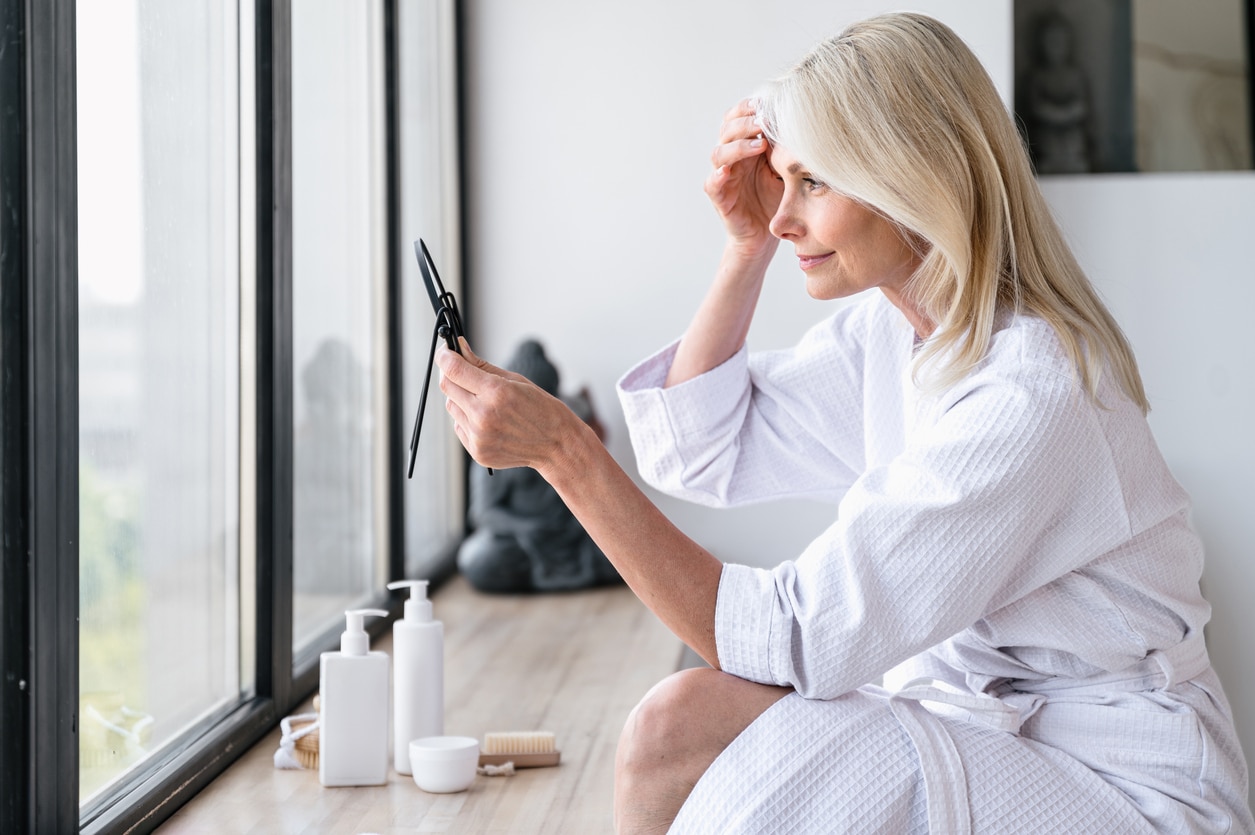
Most people assume collagen loss is something to worry about later, somewhere around menopause or “old age.” The real timeline is a lot less forgiving. Collagen production begins declining in your mid-20s, quietly, long before a single line shows up in the mirror.
By the time visible signs of aging appear, you’ve likely already lost a meaningful percentage of the collagen your skin had in its most youthful years.
The Truth About Collagen Loss: When It Starts and How to Slow It Down
Understanding collagen and skin aging, what drives it, and what genuinely helps can change how you approach your skincare routine and treatment choices for decades to come.
What Collagen Actually Does for Your Skin
Collagen is the structural protein that keeps skin firm, plump, and resilient. It works alongside elastin to give your face its shape and bounce back. Think of it as the scaffolding underneath the surface: when it’s abundant, skin looks smooth and full. When it thins out, skin sags, creases, and loses its snap.
Collagen also plays a role in wound healing, skin hydration, and the strength of the delicate tissue around your eyes and mouth, areas that tend to show elasticity loss first because the skin there is thinner to begin with.
When Does Collagen Loss Start? (Earlier Than You Think)
Here’s the part that surprises most patients: collagen loss in your 20s is normal, not premature. Research generally points to collagen production peaking in your late teens to early twenties, then declining at a rate of roughly one percent per year after that. It’s gradual at first, then noticeable acceleration tends to hit in the 30s and especially after 40, when hormonal shifts speed things up further.
So when does collagen loss start? Technically, before most people even think to ask the question. The good news is that early awareness gives you a real head start on slowing the process down.
Why This Matters for Skin Elasticity Loss
Skin elasticity loss doesn’t happen overnight. It builds gradually as collagen fibers break down faster than your body can replace them. Fine lines, sagging along the jawline, hollowing under the eyes, and a duller overall complexion are all downstream effects of this slow depletion.
What Accelerates Collagen and Skin Aging
Genetics set your baseline, but daily habits determine how fast you burn through your collagen reserves. Several factors speed up the process significantly:
- Unprotected sun exposure, which breaks down existing collagen and disrupts new production through UV-induced free radical damage
- Smoking and frequent alcohol use, both of which reduce blood flow and starve skin cells of oxygen and nutrients
- A diet high in sugar and processed foods, which triggers glycation, a process that stiffens and weakens collagen fibers
- Chronic stress and poor sleep, which raise cortisol levels and interfere with the skin’s natural repair cycle
- Repetitive facial expressions and environmental pollutants, which contribute to fine lines and oxidative stress over time
Recognizing these accelerators is the first step toward learning how to slow skin aging in a way that actually works, rather than relying on trends with no evidence behind them.
How to Boost Collagen Naturally
Before jumping to in-office treatments, there’s a lot you can do at home to protect the collagen you still have and support new production.
Daily Habits That Support Collagen
- Wear broad-spectrum sunscreen every day, rain or shine, since UV damage is the single biggest driver of premature collagen breakdown
- Eat a diet rich in vitamin C, protein, and antioxidants, since vitamin C is required for your body to synthesize collagen at all
- Prioritize sleep, since most tissue repair and collagen synthesis happen overnight
- Use topical retinoids or retinol, which are among the few over-the-counter ingredients with real evidence behind stimulating collagen production
- Stay hydrated and limit sugar intake to reduce glycation-related damage
These habits form a foundation, but they have limits. Once collagen decline has progressed, topical products alone usually can’t rebuild what’s been lost. That’s where in-office treatments come in.
Collagen-Stimulating Treatments That Actually Work
Several professional treatments are backed by clinical evidence for stimulating new collagen production rather than just masking the surface effects of its loss.
RF Microneedling
RF Microneedling combines tiny needle punctures with radiofrequency energy to trigger the skin’s natural healing response deep in the dermis. This dual action stimulates fresh collagen and elastin production, improving texture, firmness, and the appearance of scars over a series of sessions.
Radiofrequency Treatments
Radiofrequency heats the deeper layers of skin to encourage collagen remodeling without breaking the skin’s surface. It’s a solid option for patients who want firmer, tighter-looking skin with little to no downtime.
Chemical Peels
Chemical peels remove damaged outer layers of skin, which prompts the body to generate new cells and collagen underneath. Peels also improve tone, texture, and the appearance of sun damage that accelerates skin elasticity loss.
Facials
Regular facials support overall skin health, circulation, and product absorption, making them a helpful complement to more intensive collagen-stimulating treatments rather than a replacement for them.
Don’t Forget the Skin Around Your Eyes
The skin around the eyes is thinner and loses collagen faster than skin elsewhere on the face, which is part of why hollowing, fine lines, and puffiness tend to show up early. Chronic dryness in this area can also make skin look more tired and aged than it actually is.
If you’re dealing with persistent irritation or dryness alongside these changes, it’s worth having your eye health evaluated. Dry eye syndrome and its underlying causes can affect the appearance of the skin around your eyes, and dry eye treatment can improve both comfort and the way that delicate area looks.
Building a Plan That Fits Your Skin
Collagen loss is universal, but the right response isn’t one-size-fits-all. Your skin type, age, sun history, and goals all factor into which combination of habits and treatments will serve you best. A consultation with our team allows us to map out an approach based on where your skin is right now, not a generic timeline.
For patients ready to commit to ongoing care, our spa membership offers a practical way to build collagen-supporting treatments like microneedling, radiofrequency, and facials into a consistent routine at a lower cost per visit.
The Bottom Line of Skin Rejuvenation: Book Today
Collagen loss starts earlier than most people expect, but that early start also means there’s more time to act. Protecting your skin from accelerators, supporting collagen production through daily habits, and adding proven treatments at the right time can meaningfully slow the visible effects of aging.
Ready to talk through a plan for your skin? Contact us to schedule a consultation with the Eye Clinic & Aesthetics of Provo team.