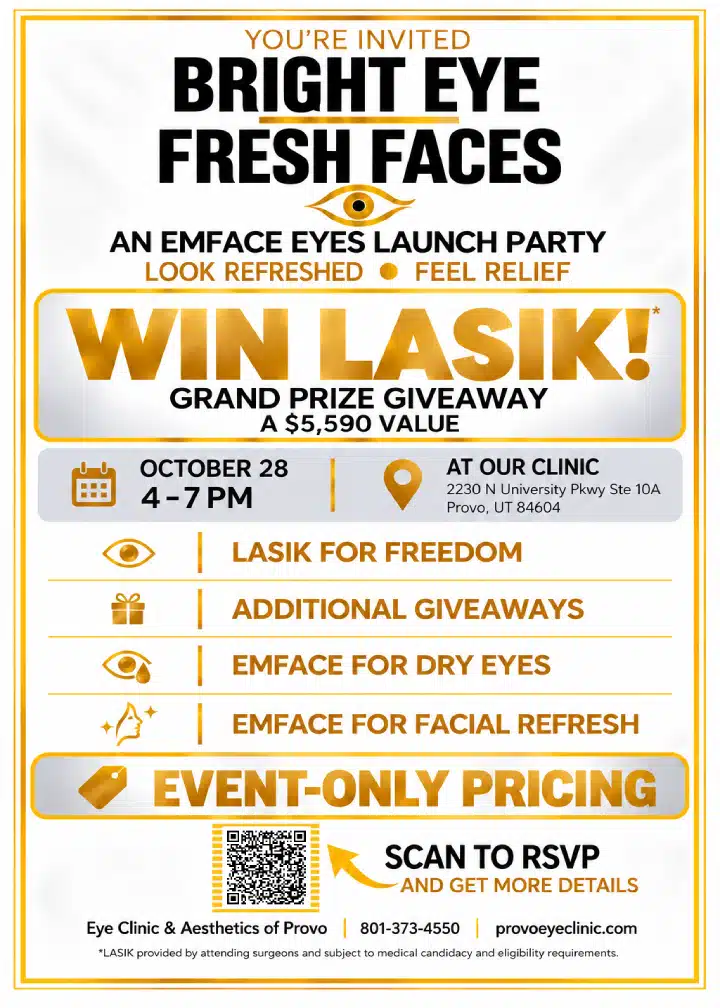
Your Local Children’s Eye Doctor in Provo, UT
Pediatric eye care in Provo, UT, starts with a full look at how your child sees and how their eyes work together. At Eye Clinic & Aesthetics of Provo, our pediatric optometrists provide comprehensive pediatric eye exams for infants, toddlers, school-age children, and teenagers in Provo and surrounding communities. Each visit includes a routine eye exam that checks visual acuity, eye health, eye alignment, focusing ability, depth perception, and overall visual development, so we can catch problems that school vision screenings often miss.
We diagnose and treat myopia, hyperopia, astigmatism, amblyopia (lazy eye), strabismus (crossed eyes), and other childhood vision conditions. Our office is kid-friendly, our diagnostic technology is advanced, and every care plan is tailored to your child’s stage of development. Healthy vision supports learning, reading, sports, and long-term eye health, and problems found early are easier to treat. Schedule a comprehensive pediatric eye exam for your child today.
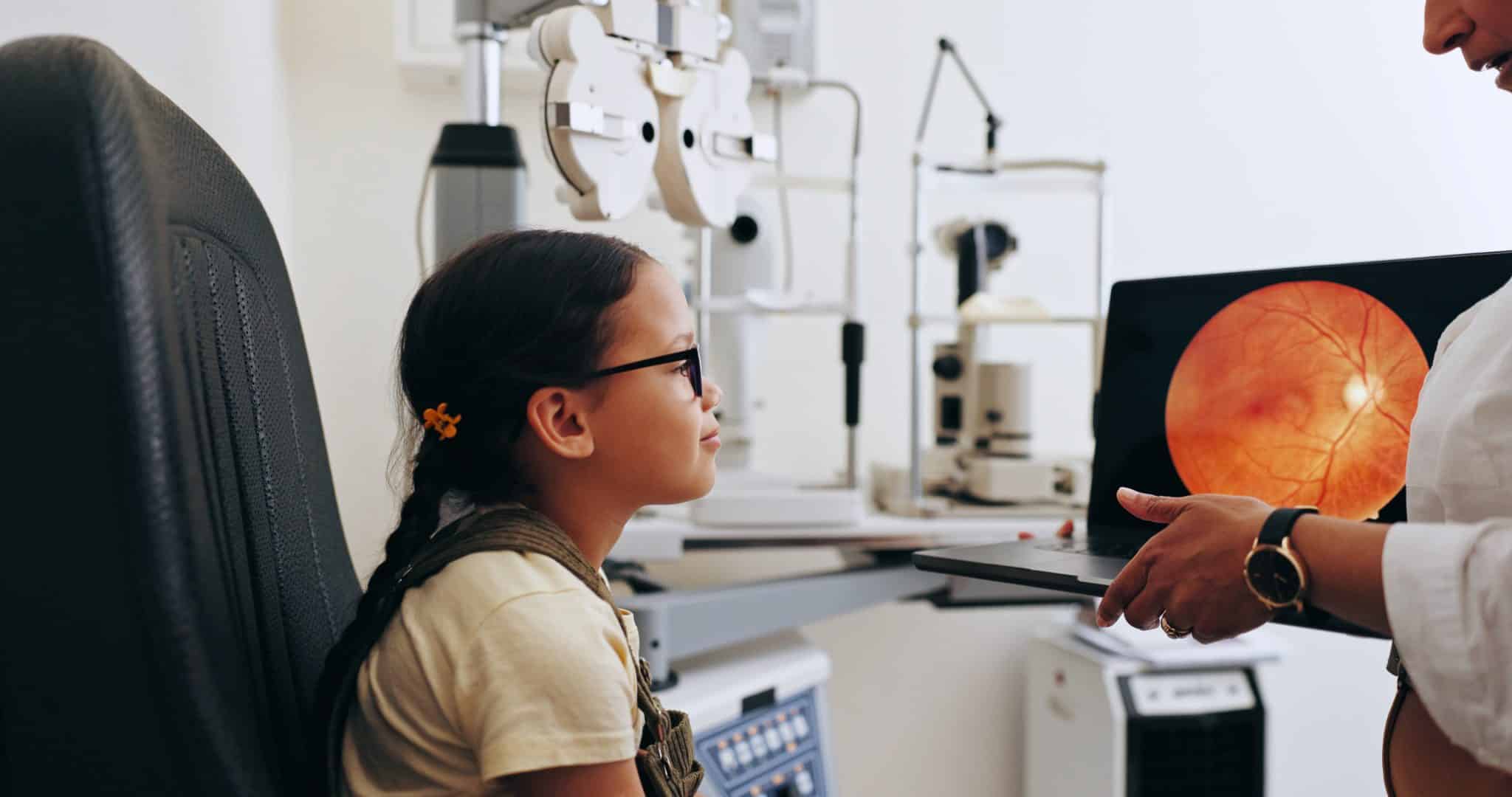
Children's Comprehensive Eye Exams in Provo
Every child’s eyes develop on their own timeline, so we shape each visit around your child’s age and abilities. Our pediatric optometrists offer:
- Infant and Toddler Eye Exams
- Preschool and School-Age Eye Exams
- Teen Eye Exams
- School Vision Screening Follow-Ups
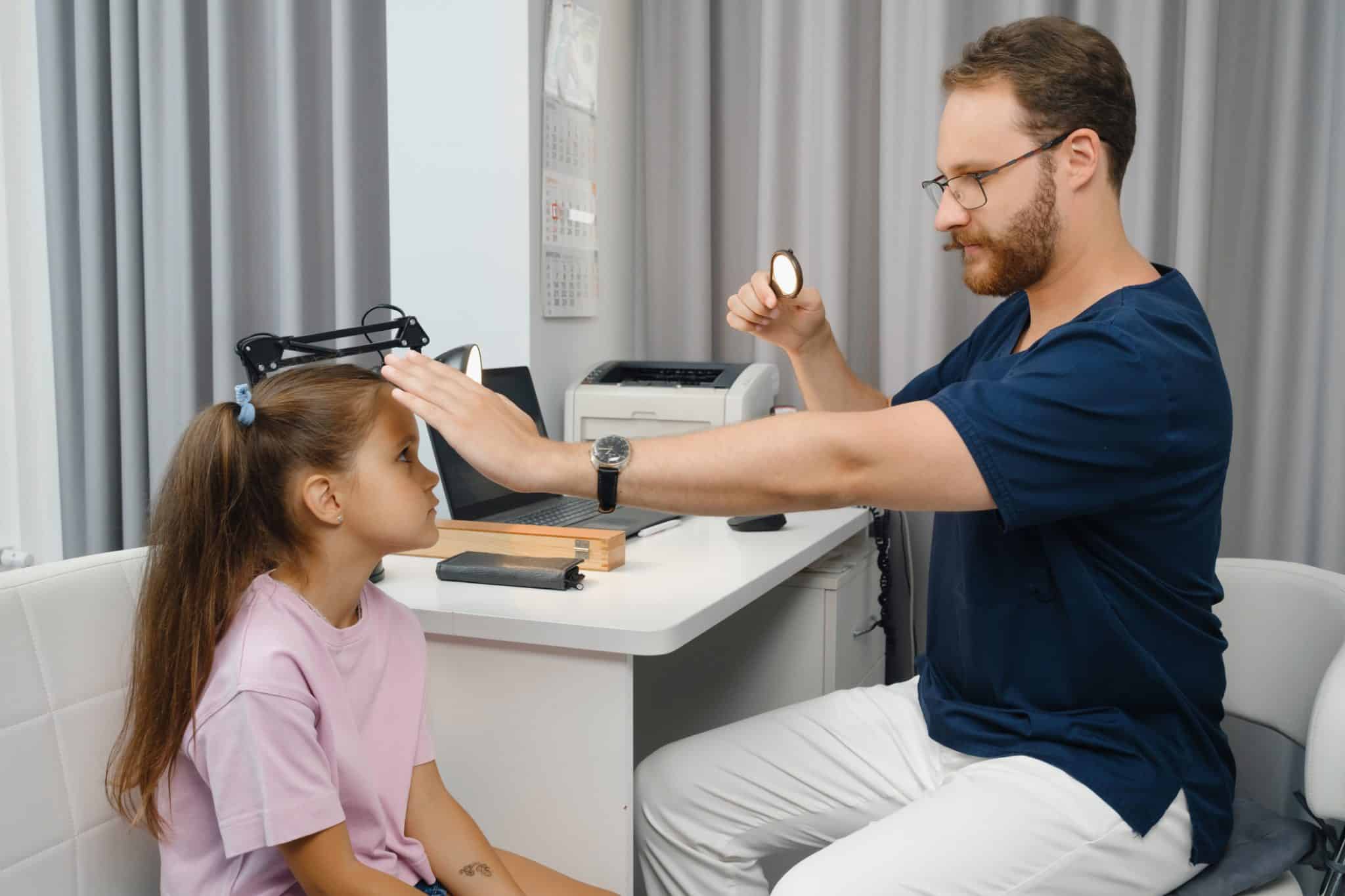
Diagnosis and Treatment of Pediatric Eye Conditions
Finding a vision problem early gives your child the best chance at a good outcome. We evaluate and treat:
- Nearsightedness and Farsightedness
- Astigmatism
- Lazy Eye (Amblyopia) and Crossed Eyes (Strabismus)
- Eye Tracking and Focusing Problems
Myopia Management and Prescription Glasses for Children
Nearsightedness often gets stronger during the school years. We help families slow it down and choose eyewear kids will wear:
- MiSight Myopia Management
- Prescription Glasses for Children
- Contact Lenses for Kids and Teens
- Ongoing Vision Monitoring
Why a Pediatric Eye Exam Matters More Than a School Vision Screening
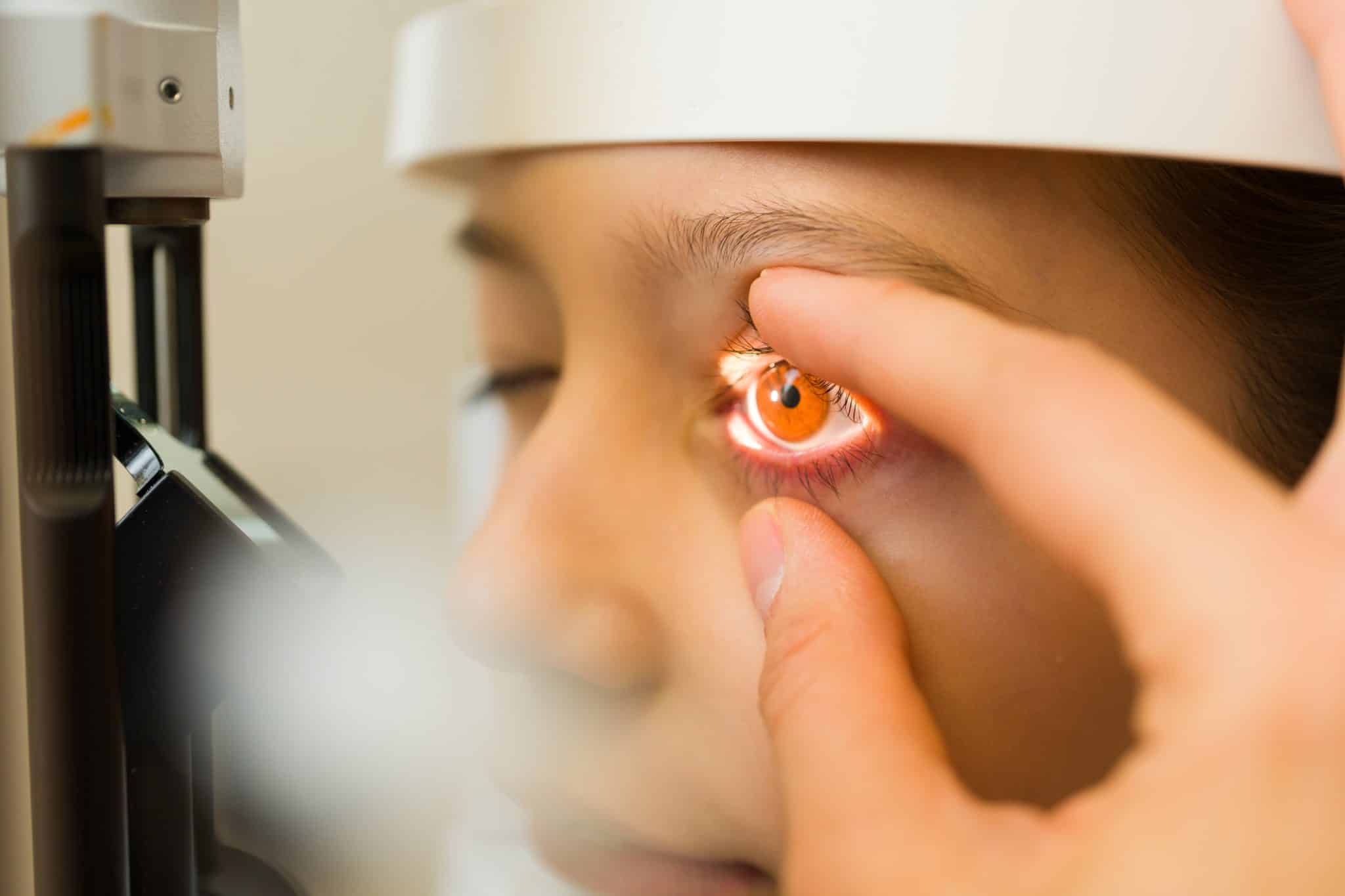
A school-age vision screening is a quick check, usually of how well a child can read letters from across a room. It can flag a problem, but it can also miss one. A child can pass and still have farsightedness, a focusing problem, or eyes that do not work well together. Many kids never mention symptoms because they assume everyone sees the way they do. A comprehensive exam looks at the whole visual system and the health of the eye.
Childhood vision development affects how children learn and play. Reading, copying from the board, and catching a ball all depend on clear, comfortable sight. Watch for these signs:
- Squinting or covering one eye
- Frequent headaches or tired eyes after reading
- Eye rubbing or excessive blinking
- Sitting too close to the TV, tablet, or phone
- Losing their place or avoiding reading
Long hours on tablets and phones can add to eye strain, so our guide to computer vision syndrome is worth a read.
Common Childhood Vision Problems We Diagnose and Treat
Most childhood vision problems, from refractive errors to eye alignment issues, have clear explanations and good treatment options once they are found.
- Myopia (nearsightedness): Faraway objects look blurry, and the prescription often increases as a child grows.
- Hyperopia (farsightedness): Close work takes extra effort, which can cause headaches and tired eyes.
- Astigmatism: An unevenly curved eye surface blurs vision at every distance.
- Amblyopia (lazy eye): One eye does not develop normal sight. Lazy eye treatment works best when it starts early.
- Strabismus (crossed eyes): The eyes point in different directions, which can affect depth perception.
- Tracking and focusing problems: Poor binocular vision or visual tracking makes it hard to follow words on a page.
Depending on the diagnosis, treatment may include glasses, contact lenses, patching, myopia management, or a referral to a specialist when needed.
When Should Children Have Eye Exams?
Kids’ eye exams in Provo, UT, follow a simple age-based schedule:
- Infants: Infant eye exams around 6 months of age check alignment, eye health, and early visual development.
- Ages 3 to 5: Schedule at least one exam before kindergarten to check for lazy eye, crossed eyes, and refractive errors.
- School-age children: Yearly exams, or as your doctor recommends, keep up with changing prescriptions and classroom demands that may impact vision and eye health.
- Teens: Yearly visits matter as vision shifts with growth, sports, screens, and driving.
Children born early, or with developmental delays or a family history of vision issues, may need earlier or more frequent visits to our eye center.
What to Expect at Your Child's Eye Exam
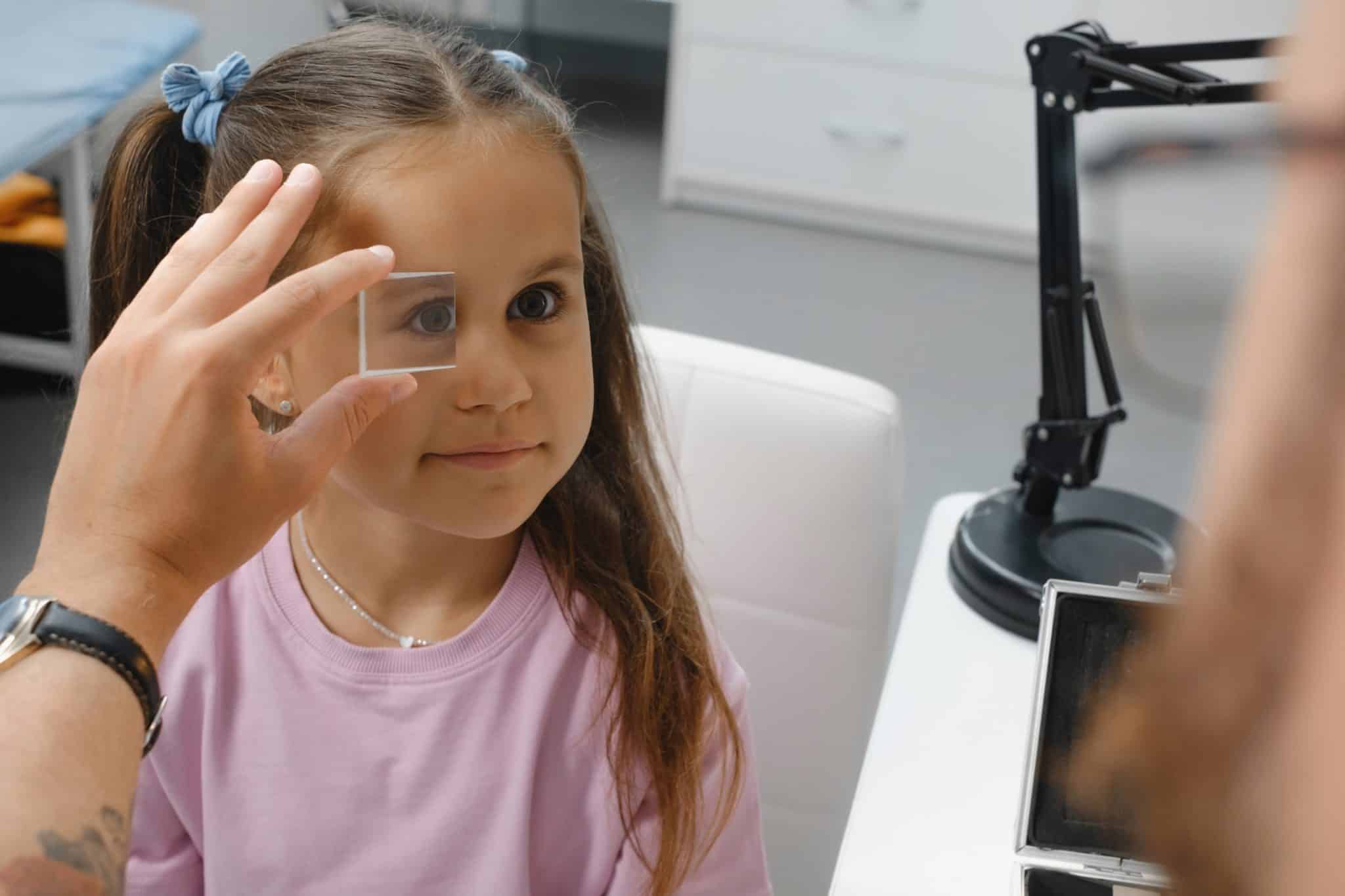
Our pediatric vision care for infants and children is designed to keep visits calm. Parents often worry that a first eye exam will be hard on their child, but it usually is not. Our team explains each step in simple terms and uses age-appropriate tests, so even babies and toddlers who cannot read a chart can be evaluated.
Older children and teens read letters and shapes while the doctor checks eye health, alignment, focusing, and depth perception. Dr. Andrew Smith and Dr. Todd Lewis, our pediatric eye doctors in Provo, UT, review the results with you in plain language, and both speak Spanish. If your child needs glasses or treatment, you leave with a clear plan for the next steps.
Pediatric Eye Care FAQs
We recommend a first exam around 6 months of age. Infant eye exams check alignment, eye health, and early visual development. If your baby was born early, call us, and we will help you choose the right time.
Squinting, headaches, eye rubbing, sitting close to screens, holding books near the face, and losing their place while reading are common signs. Some children show none, so routine exams matter even when nothing seems wrong.
Children should be seen around 6 months, at least once between ages 3 and 5, and yearly through the school years, or as their doctor advises. Children in myopia management are typically seen every six months
Yes. We check how well each eye sees and how the eyes line up and move together, which is how amblyopia and strabismus are found. Early detection gives treatment the best chance to work.
Yes. Screenings mostly check distance sharpness and can miss farsightedness, focusing trouble, tracking problems, and eye health concerns. A comprehensive exam covers what a screening leaves out.
Eye Clinic & Aesthetics of Provo is at 2230 N University Pkwy, Suite #10A, and our children’s eye doctors see patients Monday through Friday. We accept many vision and medical plans, though not all, so call with your insurance details. See our insurance and payments page or ask about financing.
Often, yes. No treatment stops myopia for good, but management can slow how fast a prescription increases. Options include MiSight contact lenses for eligible children, as well as outdoor time and screen breaks. See our myopia control page for details.
Bring current glasses or contacts, your insurance card, and a list of concerns. Complete our new patient forms ahead of time, talk about the visit in a positive way, and book a time when your child is rested.
Schedule Your Child's Pediatric Eye Exam in Provo
Clear vision helps children do well in class, enjoy sports, and feel confident. Eye Clinic & Aesthetics of Provo has cared for local families for more than 40 years, and our pediatric optometrists in Provo take the time to answer your questions and explain what we find.
If you are looking for kids’ vision care near Provo, call (801) 373-4550 or request an appointment online to book eye exams for children in Provo, Utah. Our office is at 2230 N University Pkwy, Suite #10A, and we are open Monday through Friday, 8:00 a.m. to 5:00 p.m.
Have a question first? Visit our contact page. New patients are always welcome.