
Peripheral Vision Loss: Signs, Causes, Diagnosis & Treatment
- Created in
Vision Problems
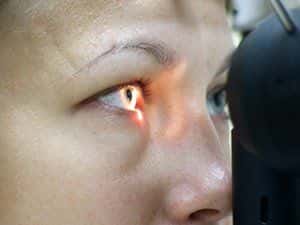
This guide explains the common signs and symptoms of peripheral vision loss, the leading causes, how it is diagnosed, and the treatments that can help preserve or improve vision. If you or a loved one has noticed changes in side vision, a comprehensive eye exam is the first step toward protecting long-term eye health.
What Is Peripheral Vision?
Peripheral vision is the part of your visual field that lets you see objects to the side, above, and below your direct line of sight without turning your head. It works together with central vision (what you see straight ahead) to help with balance, navigation, and awareness of your surroundings.
When peripheral vision is reduced, the visual field narrows, often described as “tunnel vision.” In mild cases, people may only notice difficulty seeing in dim light or missing objects at the edge of their vision. In more advanced cases, the field of view becomes severely restricted, making everyday tasks such as walking, driving, and navigating through crowds more challenging.
Peripheral Vision Loss Signs and Symptoms
Peripheral vision loss does not always occur suddenly; it can develop gradually, so many people do not realize it is happening until it affects their daily life. Common signs and symptoms include:
- A feeling of tunnel vision, where only a small circle straight ahead is clear
- Difficulty seeing in low light or at night (night blindness)
- Bumping into door frames, furniture, or people
- Trouble walking or maintaining balance, especially in unfamiliar spaces
- Difficulty navigating crowded areas or busy hallways
- Missing objects or people approaching from the side
- Trouble driving, especially at night or in complex traffic
- Seeing halos or glare around lights, especially at night
Because peripheral vision loss can be subtle at first, it is vital to have regular eye exams, especially if there is a family history of glaucoma, retinal disease, or neurological conditions. Early detection gives the best chance to slow or stop further vision loss.
Peripheral Vision Loss Causes
Peripheral vision loss is typically a symptom of an underlying condition that affects the eye, optic nerve, or brain. Some causes are treatable, while others require long-term management. Common causes include:
Glaucoma
Glaucoma is one of the most common causes of peripheral vision loss. It occurs when pressure inside the eye damages the optic nerve over time. In most cases, peripheral vision is affected first, while central vision remains relatively straightforward until later stages. Without treatment, glaucoma can lead to permanent vision loss, so early diagnosis and consistent management are critical.
Retinal Conditions
Several retinal diseases can cause peripheral vision loss, including:
- Retinitis pigmentosa – a genetic disorder that gradually damages the retina, leading to night blindness and progressive loss of side vision, often resulting in tunnel vision.
- Retinal detachment – a medical emergency where the retina pulls away from the back of the eye, which can cause sudden loss of peripheral vision, flashes, and floaters.
- Diabetic retinopathy – damage to the blood vessels in the retina from diabetes, which can affect both central and peripheral vision.
- Retinal vein or artery occlusion (“eye stroke”) – blockage of a blood vessel in the retina, which can cause sudden vision loss in part or all of the visual field.
Optic Nerve Disorders
Conditions that affect the optic nerve can also lead to peripheral vision loss, such as:
- Optic neuritis – inflammation of the optic nerve, often associated with multiple sclerosis, which can cause pain with eye movement and temporary vision loss, including side vision.
- Optic nerve compression – pressure on the optic nerve from tumors, swelling, or other structural issues, which can reduce peripheral vision.
- Ischemic optic neuropathy – reduced blood flow to the optic nerve, which can cause sudden vision loss, often in one eye.
Other Causes
Less common causes of peripheral vision loss include:
- Migraine with aura (temporary tunnel vision or visual disturbances)
- Severe eye trauma or injury
- Certain medications or toxins
- High levels of stress or anxiety (temporary narrowing of vision)
Because the causes range from treatable eye conditions to severe neurological issues, any new or worsening loss of peripheral vision should be evaluated by an eye care professional as soon as possible.
How Peripheral Vision Loss Is Diagnosed
Diagnosing peripheral vision loss begins with a comprehensive eye exam and specific tests to map the visual field. At our Provo clinic, the evaluation typically includes:
Visual Field Testing (Perimetry)
This is the primary test used to detect and monitor peripheral vision loss. During the test, you look straight ahead at a central target while small lights flash in different parts of your visual field. You press a button each time you see a light, and the machine creates a map of your peripheral vision, showing any areas of vision loss or blind spots.
Visual field testing is crucial for diagnosing and monitoring conditions such as glaucoma, retinal disease, and neurological vision loss.
Dilated Eye Exam
The doctor will dilate your pupils to get a clear view of the retina, optic nerve, and blood vessels in the back of the eye. This helps identify signs of glaucoma, retinal detachment, diabetic retinopathy, and other retinal or optic nerve problems.
Tonometry (Eye Pressure Measurement)
Measuring the pressure inside the eye is a key part of evaluating for glaucoma. Elevated eye pressure can damage the optic nerve and lead to peripheral vision loss over time.
Imaging and Additional Testing
Depending on the suspected cause, your doctor may order additional tests, such as:
- Optical coherence tomography (OCT) to image the layers of the retina and optic nerve
- Fundus photography to document the appearance of the retina and optic nerve
- Neuroimaging (MRI or CT scan) if a brain-related cause is suspected
Once the underlying cause is identified, your doctor will explain the diagnosis and recommend an appropriate treatment plan.
Peripheral Vision Loss Treatments
Treatment for peripheral vision loss depends entirely on the underlying cause. The goal is to prevent or slow further vision loss and, when possible, improve remaining vision. Standard treatment approaches include:
For Glaucoma
- Prescription eye drops to lower eye pressure
- Laser treatments (such as selective laser trabeculoplasty) to improve fluid drainage
- Surgical options (such as trabeculectomy or minimally invasive glaucoma surgery) if medications and laser are not enough
Consistent treatment and regular follow-up are crucial for protecting peripheral vision in glaucoma.
For Retinal Conditions
- Laser therapy or injections (anti‑VEGF or steroids) for diabetic retinopathy and retinal vein occlusion
- Surgery to repair a detached retina
- Vitamin therapy, low‑vision aids, and monitoring for inherited retinal diseases like retinitis pigmentosa
Early intervention often makes the most significant difference in preserving peripheral vision.
Low Vision and Rehabilitation
If peripheral vision loss is permanent, low‑vision services can help maximize remaining vision and maintain independence. Options may include:
- Specialized glasses or prisms to expand the usable field of view
- Magnifiers and electronic reading aids
- Orientation and mobility training
- Home and workplace modifications to improve safety and function
When to See an Eye Doctor in Provo
If you or a family member notices any of the following, schedule a comprehensive eye exam promptly:
- A narrowing of your side vision or tunnel vision
- Difficulty seeing at night or in dim light
- Bumping into objects or tripping more often
- Trouble driving, especially at night or in traffic
- New floaters, flashes, or sudden vision changes