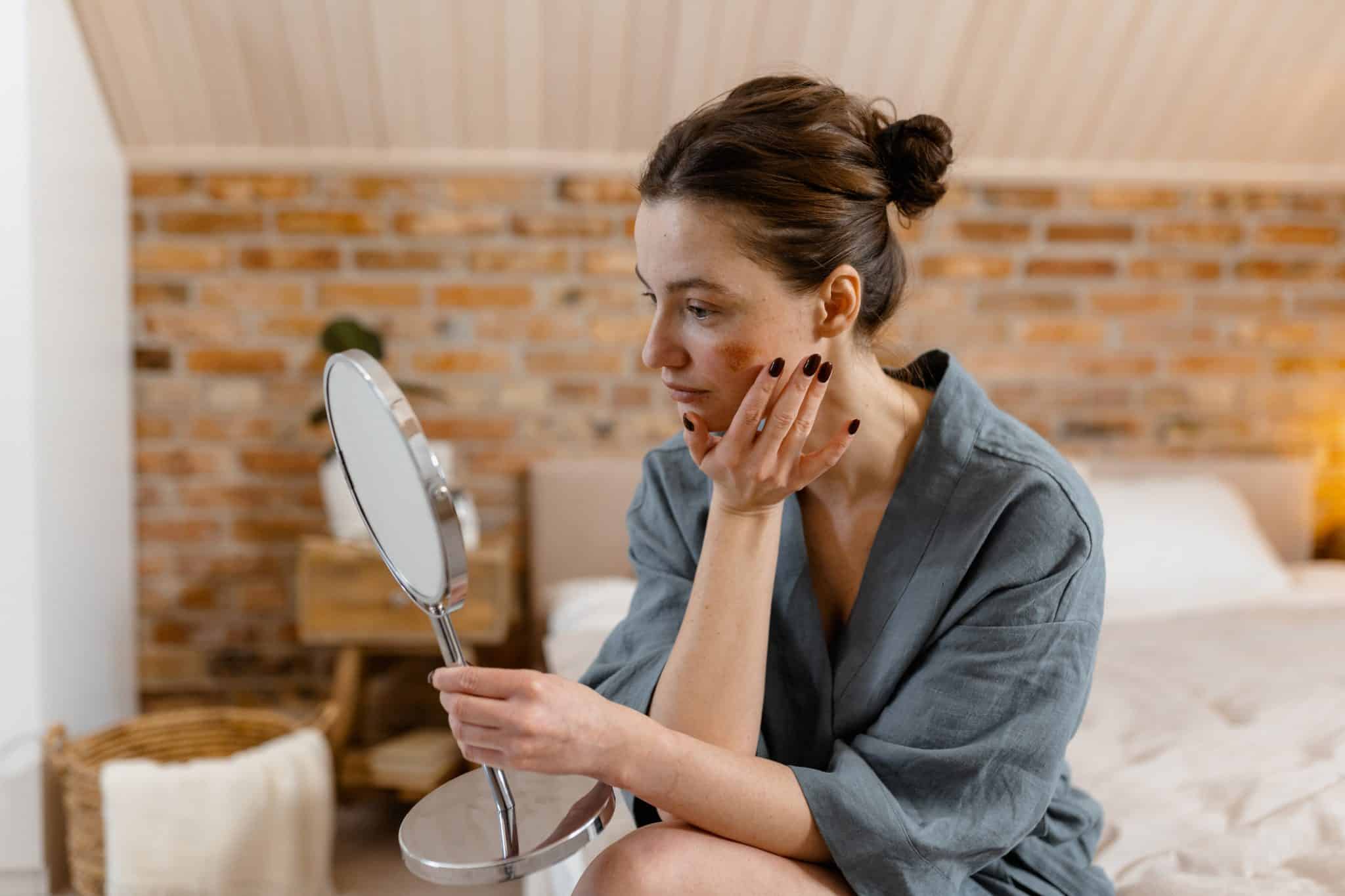
Your cheeks flush after a brisk morning walk. A mug of hot cider leaves your face warm for an hour. Green-tinted primer holds up until lunch, and then the pink creeps back through. If that sounds familiar, you have plenty of company: rosacea is estimated to affect 16 million Americans, according to the National Rosacea Society.
Most people start with whatever the drugstore offers. Those creams and color correctors can soften the look of redness for a few hours, but they rarely change what’s happening beneath the skin. Today’s rosacea treatment options go further, and autumn happens to be one of the smartest windows to begin these advanced therapies.
Rosacea and Redness: How Advanced Skin Treatments Are Changing the Game
Here’s a brief overview of the topics we cover in this article:
- What rosacea is, its causes, and how it affects your skin
- Recognizing triggers and managing responses
- Diet changes that can reduce rosacea symptoms
- The limits of over-the-counter creams for rosacea
- How light therapy is making advancements in rosacea treatment
And we’ll also explain why autumn is one of the best seasons to start advanced rosacea therapies!
What Rosacea Actually Is
Rosacea is a chronic condition. Its cause remains unknown, though a wide range of lifestyle and environmental factors can set off flare-ups.
Common signs include flushing, persistent redness, and tiny visible blood vessels, and some people also develop small red bumps, as the NRS explains in its overview of laser options for rosacea.
Facial Redness Causes Worth Ruling Out
Rosacea isn’t the only reason a complexion turns red. Sun damage, windburn, and irritation from harsh products can all leave skin looking inflamed, and they often overlap with rosacea. A professional skin assessment helps sort out what’s driving your redness, so your plan targets the right problem—you can book a Skin Consult today.
When Rosacea Reaches the Eyes
Rosacea can affect the eyes as well. In some patients, the oil-producing meibomian glands in the eyelids become clogged, which makes tears break down faster and leads to dry eye, according to the National Rosacea Society.
Gritty, burning, or bloodshot eyes are worth mentioning to our eye doctors, who treat dry eye syndrome with options like TempSure Envi radiofrequency, frequently layered with ICON IPL. You can read more on our dry eye treatment page.
The NRS also suggests a wide-brimmed hat and UV-rated sunglasses to shield your eyes from the sun and wind, and our team can help you find eyeglasses that fit your prescription.
Rosacea Management, From the Inside Out
These lifestyle tips and treatment options can successfully decrease the symptoms and flare-ups caused by rosacea.
Know Your Rosacea Triggers
In a survey of 1,066 rosacea patients, sun exposure topped the list at 81%, followed by emotional stress at 79% and hot weather at 75%. Wind affected 57% of respondents, and cold weather affected 46%.
That last pair matters in a place where winter means canyon wind and chilly chairlift rides. The NRS encourages patients to keep a diary linking daily activities to flare-ups, since what bothers one person may not bother another. You can view the full trigger survey results on the NRS website.
Diet Shifts That Can Help
Food changes won’t replace a professional rosacea flare-up treatment plan, but they can cut down on the flare-ups you need to manage. NRS lifestyle guidance points to a few common culprits:
- Hot spices like white and black pepper, paprika, red pepper, and cayenne
- Hot liquids, which can cause flushing on their own (try letting coffee or cocoa cool first)
- Alcohol was reported as a trigger by 52% of survey respondents
- Chocolate, tomatoes, and citrus fruits, which also ranked high as potential triggers
Why Creams Only Go So Far
Topical products work on the surface. Even an FDA-approved prescription medication for persistent facial redness reduces it for up to 12 hours, after which the redness tends to return, according to the American Academy of Dermatology. Visible blood vessels pose another challenge, since medication alone doesn’t remove them (more on that, later).
Medication still has a place. The AAD notes that most rosacea plans combine medication, rosacea-friendly skin care, and tips for avoiding flare-ups, with laser or light therapy added when visible blood vessels or thickening skin are involved. If you use a prescription, keep your prescribing provider in the loop as you add in-office treatments.
IPL for Rosacea: Treating Redness Beneath the Surface
Our IPL photofacials are performed on the ICON platform. Its MaxG handpiece uses intense pulsed light to minimize spider veins, vascular lesions, and redness, and rosacea is among the concerns ICON can address. The AAD describes IPL as gentler on the skin than a laser, with the ability to reduce flushing and improve texture, though it requires more sessions than laser therapy.
The research on laser treatment for rosacea and light-based options is encouraging. The AAD reports that most patients see a 50% to 75% reduction in visible blood vessels after one to three treatments, with results that tend to last three to five years.
Treated vessels don’t reappear, although new ones can form. Results with laser therapy for skin redness vary from person to person, which is why a personalized plan matters.
What to Expect During Treatment
Every plan starts with a consultation. Depending on your goals, you may receive photofacial treatment with the 1540 fractional laser, IPL, or both. Afterward, minor redness or swelling is common and fades, and aside from protecting yourself from the sun, you can return to normal activities.
A series of three to six treatments is typically recommended for optimal results, and our full-face photofacial is offered as a package of three sessions.
Why Fall Is the Best Season to Start Light-Based Rosacea Treatment
Light-based treatments and sunshine don’t mix well. The AAD advises staying out of the sun after laser or light treatment and protecting your skin whenever you must be outdoors, since this helps prevent side effects. Summer in Utah County means long hikes, lake days, and plenty of UV, and winter brings bright days on the slopes. Fall sits right in between.
Sessions are usually spaced three to four weeks apart, so starting in October lets you move through much of your series while days are shorter and you’re spending less time outside. By the time ski season arrives, you’ll be in a stronger position to reduce redness on your face before cold air and wind come into play.
Soothing Facials Between Sessions
Professional-grade facials give reactive skin a reset between light treatments. Our Signature Facial suits all skin types, and the cooling Jelly Mask can be added to any session for extra hydration.
Mention your rosacea when you book so your aesthetician can keep heat to a minimum, since hot baths and indoor heat both appear on the NRS trigger list. Our team generally suggests a facial once a month for maintenance, and our spa membership makes that rhythm easier: the VIP membership saves 20% and lets you pay monthly.
Building a Rosacea Skincare Routine That Holds Up
If you’ve wondered how to reduce facial redness day to day, your routine is the place to start. The AAD recommends a mild cleanser instead of soap, rinsed off completely so no residue irritates your skin, followed by a moisturizer every day, even if rosacea makes your skin oily. Finish with a broad-spectrum, water-resistant sunscreen with SPF 30 or higher that contains zinc oxide, titanium dioxide, or both, and be gentle: test new products before using them across your face.
Professional-grade products make a rosacea skincare routine easier to stick with than trial and error in the drugstore aisle. Our skincare products include a Green Tea Antioxidant Soothing Cleanser, a Lipid Replenishing Soft Cream that supports a healthy skin barrier, and a fractionated hyaluronic acid serum for hydration.
Our Skin-E line uses eye-friendly ingredients that won’t aggravate dry eye, and our aestheticians can match products to your skin during your visit.
Rosacea Care in Provo, Utah
Living with rosacea doesn’t have to mean a lifetime of cover-ups. IPL photofacials, calming facials, smart trigger management, and a consistent home routine work together to bring redness down and keep it there longer. Explore our full menu of aesthetic treatments, then call (801) 373-4550 to schedule your consultation and start your series this fall.